
Uncategorized
Best Cannabis Nutrients for Growing Healthy Plants

Dec
If you are trying to figure out the best cannabis nutrients without stressing over every bottle and booster, this piece breaks it down in a simple way. A cannabis plant can be easy to work with, but it still depends on the right nutrient balance to stay healthy. The right nutrient plan helps a grower avoid weak stems and gives the plant what it needs for strong bud growth and better smell and flavor. Nutrients matter for every grower no matter the grow medium you use, and choosing the best nutrients makes the whole grow much easier.
Growing cannabis feels a lot more manageable once you understand what the cannabis plant wants. The right fertilizer supports plant health, speeds up the vegetative stage, improves bud development, and helps your terpene and cannabinoid levels stay strong. It does not matter if you grow cannabis with hydroponics, coco, organic soil, or any other soilless grow method. Knowing how nutrients for growing cannabis work saves you time and keeps your leaves from looking tired or stressed. Plus, you can grab something from Cali Canna as you wait for your harvest.
Top 5 Best Cannabis Nutrients Brands
1. Athena
When it comes to the best cannabis nutrients, Athena Ag is hard to beat. Growers of all levels, from hobbyists to commercial cultivators, use it because it just works, no matter your grow medium.
Their system is simple, with two parts that cover everything your plants need. The formulas are built from years of real growing experience, so you’re feeding your plants what actually helps them thrive. It keeps nutrients from building up too much or getting locked out, which makes it solid for soil, coco, or hydro setups.
People who switch to Athena often notice healthier plants, bigger buds, and stronger terpene profiles. The price is a little higher, but since the nutrients are concentrated and effective, it ends up being a smart choice compared to other advanced nutrients.
Pros:
- Reliable formula,
- Clean mixing,
- Great for hydro and coco
Cons:
- Fewer organic options
2. Advanced Nutrients
Advanced Nutrients is known for its huge selection of nutrient products and the familiar pH perfect feature that keeps pH steady without constant adjusting. They offer nutrients for every stage, so you can really dial in how your plants grow. This brand works well for growers who like having detailed control over each feeding.
Pros:
- pH perfect formula,
- Tons of additives,
- Strong bloom results
Cons:
- Expensive,
- It can be overwhelming for beginners
3. Botanicare
Botanicare is popular among hydroponic growers because their formulas stay clean and work smoothly in coco and other soilless setups. Their Cal Mag is a favorite for many growers and is one of the most trusted supplements out there. The rest of the line stays simple but consistently gives strong results.
Pros:
- Excellent Cal Mag,
- Hydro-friendly,
- Smooth uptake
Cons:
- Smaller product range,
- Not as customizable
4. Real Growers
Real Growers centers everything around organic nutrients and microbe friendly blends that help soil stay active and healthy. If you are growing in soil or building a super soil mix, their products help maintain long term fertility and steady nutrient availability. Organic growers appreciate how it keeps the soil ecosystem thriving.
Pros:
- Organic,
- Boosts soil life,
- Great flavor results
Cons:
- Not ideal for hydroponics,
- Slower nutrient release
5. General Hydroponics
General Hydroponics has been a classic in hydro setups for years, especially with well known products like Flora Series and Terpinator. Their nutrient ratios stay predictable and work well with most feeding routines. Terpinator is a common pick for anyone who wants fuller aroma and flavor.
Pros:
- Affordable,
- Time-tested,
- Perfect for hydro
Cons:
- More salt buildup than organic lines,
- It can require frequent flushing
Types of Fertilizers for the Cannabis Plant
1. Synthetic Nutrient Fertilizer (Balanced NPK Fertilizers)
Synthetic nutrients are the straightforward option when you just want to mix your plant food and see steady growth. These formulas deliver nitrogen, phosphorus and potassium in forms your cannabis can take up right away, which matters a lot in hydroponic nutrients since the plant depends entirely on what you add. They stay consistent, they work fast, and they fit growers who want reliable results without trying to interpret whatever their organic soil might be doing on its own.
Most synthetic nutrients come in separate grow and bloom bottles, so you simply follow the feeding chart and make small adjustments if your plant seems to need more or less. They work well in coco coir, hydro setups, and even soil for growers who prefer full control. Another bonus is that they help keep your pH in the right range, which makes nutrient uptake smoother.
2. Organic Fertilizer for Cannabis Cultivation
Organic fertilizer is for growers who like their soil to feel alive and active. Everything comes from natural sources like compost, worm castings, living soil blends and other organic materials that slowly enrich the medium. Instead of feeding the plant directly, you are building up the microbes that end up feeding your cannabis for you.

Organic nutrients avoid salt buildup and tend to create healthier soil over time. Many growers notice smoother flavors, richer aromas and better terpene expression compared to synthetic feeding. Organic nutrients take a bit more patience since they release gradually, but the final result often has a depth and character that makes the slower pace feel completely worth it.
3. Slow-Release Fertilizer
Slow release fertilizers are the type of plant food you set in the soil once and then basically forget about. You mix the pellets or granules into your medium, and they slowly break down on their own. If you are growing cannabis in soil and you do not feel like mixing liquid nutrients every few days, this approach feels like a relief. It keeps the plant fed without much work on your end.
The only catch is control. Once the nutrients are in the soil, you cannot really take them back out. If the mix ends up a little heavier in nitrogen, or the phosphorus and potassium release faster than you expected, you are mostly waiting for everything to run its course. For outdoor growers or anyone running a super soil setup, it can still work incredibly well.
4. Specialized Fertilizers for Different Nutrient Needs
Specialized fertilizers are the bottles you reach for when your plants start asking for something specific. These can be root enhancers, bloom liquid fertilizer, micro nutrient blends, or simple fixes like a Cal Mag supplement. They are meant to target things like pale leaves, slow growth, or buds that seem a bit behind.
These products shine in coco and hydro because those mediums have nothing in them to feed your cannabis plant. Using bloom nutrients, organic additives, or advanced nutrient formulas lets you fine tune what the plant gets at every stage so it keeps growing steady and strong.
Best Cannabis Nutrients for Every Growth Stage
1. Vegetative Stage Nutrient Needs
During the vegetative stage, cannabis responds best to a nutrient routine that leans heavily on nitrogen. This is the part of the grow when the plant focuses on height, strong stems and wide fan leaves. Synthetic blends often come in ratios like 3,1,2 or 4,2,3, while organic growers lean on compost teas, fish hydrolysate and other natural nutrient blends.
The goal is steady green growth without pushing the plant too hard. Too much nitrogen can make the leaves curl in strange ways, while too little leaves your cannabis plant looking washed out. Keeping the nutrients balanced here gives the plant a solid foundation before it shifts its energy toward flowering.
2. Flowering Stage Nutrient Needs
Once the plant starts showing pre flowers and moves into the flowering stage, the nutrient focus changes. The plant no longer needs the same amount of nitrogen and starts leaning more on phosphorus and potassium. This is where bloom nutrients and flower boosters become useful. Synthetic blends often stay around 1,3,2, while organic growers reach for things like bat guano, bloom teas and mineral based organic blends.
This phase is when the buds form and thicken, so the plant needs steady support without being overloaded. Too little phosphorus slows bud growth, while too much can stress the roots or create nutrient lockout. A good balance keeps the plant building healthy, solid flowers.
3. Mature-Flowering Stage Nutrient Needs
In the mature flowering stage, your cannabis plant shifts its energy into resin production, swelling buds and building out its terpene and cannabinoid profile. The nutrient ratios usually drop nitrogen even further and lean heavier on potassium because that is what helps with density and overall potency. A lot of growers even ease back on the total nutrient strength at this point so the plant does not burn right before harvest.
Both organic bloom additives and liquid nutrient formulas work well here, along with hydroponic nutrients if you are running a hydro setup. This part of the grow feels like fine tuning the flavor, aroma and strength of the buds while helping the plant finish strong.
4. Micro-Nutrients for Plant Health
Micro nutrients might be in low quantities, but plants fall apart quickly without them. Iron, manganese, boron, zinc and copper help with everything from chlorophyll production to proper nutrient uptake and general plant strength. Cannabis plants only need a little, but they absolutely need a steady supply.
If you are growing in coco or a hydroponic system, micro nutrient issues show up faster because the medium itself does not contribute anything. Using a nutrient line that already includes these trace elements keeps the plant steady through growth changes, especially when moving from the vegetative phase into flowering.
Calcium
Calcium keeps your plant’s cell walls strong, which helps everything grow steady and healthy. Most growers lean on a Cal Mag supplement because coco coir and many hydroponic nutrients usually fall short on calcium. When calcium runs low, new leaves twist, tips dry out, and the plant becomes fragile.
It also helps nutrients move through the plant. When uptake slows or you start seeing strange patches on the leaves, calcium is one of the first things that fixes issues before they get worse.
Magnesium
Magnesium keeps the leaves green and supports photosynthesis. When a cannabis plant starts yellowing between the veins, that is almost always a sign of magnesium deficiency. In coco and hydro setups, Cal Mag is nearly always needed because those grow mediums do not supply enough magnesium on their own.
Organic soil growers sometimes skip magnesium supplements because compost and amendments release it naturally over time. Even so, keeping an eye on leaf color is important so you can correct early signs of deficiency.
Sulfur
Sulfur supports enzyme activity and helps bring out the plant’s natural aroma and flavor. It is not a flashy nutrient, but cannabis plants need a steady amount of it to stay healthy. Low sulfur levels make leaves look dull and pale, and buds lose some of their potential aroma and terpene expression.
Most liquid nutrients already include sulfur, although organic growers may add gypsum or certain compost mixes to supply a little more when needed.
5. Bloom Boosters for Stronger Buds
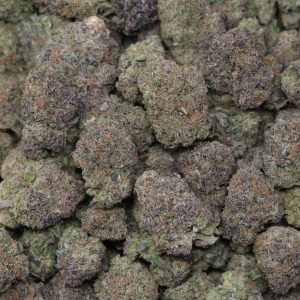
Bloom boosters are the supplements growers reach for when they want fuller buds and richer flavor. These formulas raise phosphorus and potassium levels to support density and overall flower development. They are not required, but many growers use them during late flowering to bring out the best in their plants, regardless of whether it’s hybrid, sativa, or indica strains.
The main thing is to avoid heavy doses because too much can cause nutrient burn or slow down how the plant absorbs everything else. When used in the right amount, bloom boosters help the plant finish strong with impressive terpene and cannabinoid levels.
How to Choose the Best Cannabis Nutrients
Choosing the best cannabis nutrients depends on what your plants need, the grow medium, and how much effort you want to put into feeding. If you’re growing cannabis in soil, you don’t need as many liquid nutrients because the soil already gives nutrients to plants. Hydro and coco need more careful feeding since those mediums don’t have nutrients on their own.

Also, pay attention to your grow lights, room humidity, and how fast your plants grow. Fast-growing plants need stronger feeding schedules, and slower plants or cooler rooms need less. Watch your cannabis plant and adjust as needed. Using the right synthetic nutrients or organic cannabis blends keeps your plants healthy from seedling to harvest.
Conclusion
Finding the best cannabis nutrients doesn’t have to be complicated. Once you know what your cannabis plant needs at each stage, everything gets easier and more enjoyable. Whether you’re using hydroponics, coco, or organic soil, the right fertilizer and feeding schedule make your buds fuller, tastier, and stronger. Stick to nutrient lines that match your grow medium, watch how your plants respond, and you’ll grow big, healthy, and happy cannabis every time.