Uncategorized
Sativa vs Indica: What’s the Difference and Which Cannabis Strain Is Right for You

Jul
Choosing between sativa vs indica is one of the most common questions for cannabis consumers. While these labels have traditionally been used to predict how a strain might make you feel, modern research shows there’s more to the story. The effects of cannabis are influenced by factors such as THC, CBD, the terpene profile, and the unique combination of cannabinoids in each cannabis strain.
Whether you’re looking for an uplifting daytime experience, evening relaxation, or simply want to understand the differences between indica vs sativa, this guide breaks down everything you need to know. We’ll compare their characteristics, explain hybrid strains, and share practical tips to help you choose the right cannabis product with confidence.
What Is a Sativa?
A sativa plant traditionally refers to a taller variety of Cannabis sativa that originated in warmer climates closer to the equator. These plants typically feature narrow leaves, longer flowering periods, and thrive in tropical environments.
Historically, sativa cultivars were grown in regions such as:
- Thailand
- Colombia
- Mexico
- South Africa
Because of these growing conditions, sativa plants often became tall with longer branches and lighter foliage, allowing better airflow in humid climates.
Typical Characteristics of Sativa Plants
Some common characteristics include:
- Tall, slender growth
- Thin leaves
- Longer flowering cycle
- Better adapted to warm climate conditions
- Often associated with daytime cannabis use
Many consumers choose sativa strains because they’re commonly linked with energising effects, creativity, motivation, and mental clarity. While these characteristics have become popular expectations, it’s important to remember that the actual effects depend on the individual strain’s cannabinoid ratios, terpene profile, and overall chemical composition.
For example, a sativa cannabis strain rich in myrcene may feel more calming than expected, while another high in limonene or pinene may produce a more uplifting experience.
This is one reason why today’s cannabis experts recommend looking beyond simple sativa labels.
What Is an Indica?
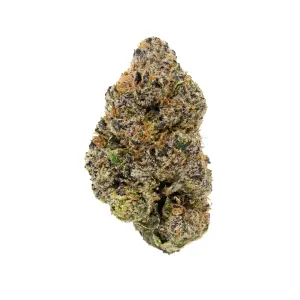
An indica plant refers to Cannabis indica, a species traditionally found in mountainous regions with cooler climates, including parts of Afghanistan, Pakistan, and northern India.
Compared to sativas, indica plants are generally:
- Shorter and bushier
- Faster flowering
- Better suited to cooler climates
- Dense with broader leaves
The phrase “shorter and bushier” has become one of the easiest ways to recognize traditional indica plants.
Typical Indica Effects
Many people associate indica strains with:
- Relaxation
- Stress reduction
- Sedative effects
- Evening cannabis use
- Support sleep
- Pain relief
Because of these characteristics, some patients using medical cannabis treatment prefer indica varieties for managing chronic pain, muscle discomfort, or improving sleep quality.
However, just as with sativas, the indica effects someone experiences depend largely on the strain’s cannabinoid and terpene profile, not simply whether it carries indica labels.
Modern research suggests that compounds like myrcene, linalool, and certain cannabinoid ratios may contribute more to sedative effects than whether a strain is officially classified as indica.
Sativa vs Indica: Key Differences
When comparing sativa vs indica, it’s important to understand that the traditional classifications describe the plant’s physical characteristics and ancestry more than they predict how you’ll feel after consuming it. While many people still use indica vs sativa as a guide, the actual experience depends on the strain’s unique chemical composition.
Here’s a closer look at the key differences.
Sativa vs Indica
Sativa
Plant appearance: Tall, thin, narrow leaves
Typical THC/CBD: Often high THC
Primary effects: Energizing, uplifting, creative
Best time of use: Daytime
Common terpenes: Limonene, pinene
Medical cannabis uses: Depression, fatigue, focus
Climate origin: Equatorial
Indica
Plant appearance: Short, bushy, broad leaves
Typical THC/CBD: Variable — often balanced or high CBD
Primary effects: Relaxing, sedating, body-focused
Best time of use: Evening or nighttime
Common terpenes: Myrcene, linalool
Medical cannabis uses: Pain relief, insomnia, anxiety
Climate origin: Mountain/cool climates
While these characteristics help identify the type of cannabis plant, they don’t always predict the effects. Modern indica and sativa genetics have become heavily intertwined through crossbreeding, creating thousands of cultivars with unique properties.
THC, CBD, and Terpenes Explained
The most important compounds in cannabis are its cannabinoids.
THC
THC is the primary psychoactive compound responsible for the euphoric effects many consumers associate with cannabis. Higher THC levels generally produce stronger intoxication, although tolerance varies from person to person.
Potential benefits associated with THC include:
- Mood enhancement
- Increased appetite
- Temporary pain relief
- Relaxation
However, very high THC products may also cause anxiety or discomfort for some users, especially beginners.
CBD
Unlike THC, CBD is non-intoxicating. Many consumers choose products containing CBD because they prefer a milder experience while still enjoying the plant’s therapeutic properties.
Some people also seek balanced THC and CBD products, where the ratio of THC to CBD may help create a smoother overall experience.
Why Terpenes Matter
Terpenes are aromatic compounds naturally found in cannabis and many other plants. They give each cannabis strain its distinctive scent while also contributing to the overall experience.
Together, every cannabinoid and terpene works as part of the plant’s complex chemical makeup.
Some common terpenes include:
Myrcene
Myrcene is one of the most abundant terpenes found in cannabis. It’s often associated with calming or sedative effects, although its impact varies depending on the complete cannabinoid and terpene profile.
Limonene
Often linked with citrus aromas, limonene is commonly associated with an uplifting mood.
Pinene
Pinene has a fresh pine scent and is frequently associated with alertness and focus.
Rather than relying on sativa labels, experienced consumers often examine the terpene profile before making a purchase.
What Are Hybrid Strains?
The vast majority of cannabis varieties available today are hybrids, strains that carry both indica and sativa genetics. Decades of selective breeding have produced thousands of cultivars that blend traits from both lineages to achieve specific cannabinoid ratios and terpene profiles.
Hybrid cannabis strains can be:
- Sativa-dominant: Leans toward energizing effects with some physical relaxation (e.g., Gorilla Glue #4, available at Cali Canna)
- Indica-dominant: Deep relaxation with some uplifting mental qualities
- Balanced hybrid: A roughly equal mix, like many of the popular OG and Gelato crosses
Hybrid labels on menus like Cali Canna’s are useful starting points, but reading the full strain description, including THC percentage, terpene highlights, and user-reported effects will always give you a more accurate picture.
How to Choose: Indica or Sativa for Your Needs

Choosing the right cannabis strain comes down to a few personal factors. Here’s how to think through it:
1. Consider Your Desired Effects
Are you looking to uplift your mood and power through a creative project? Reach for a sativa or sativa-dominant hybrid. Sativa effects tend toward mental clarity, sociability, and energy, making sativa cannabis ideal for daytime activities.
If you want to support sleep, ease chronic pain, or simply decompress after a long day, indica effects are more aligned with those goals. Indica and sativa plants differ most noticeably here indica varieties are the classic nighttime companion.
For something in between say, a relaxed but functional state, a balanced hybrid strain is often the sweet spot.
2. Look at the Cannabinoid Ratios
Never ignore the numbers. A sativa strain with 28% THC will deliver a much more intense, psychoactive experience than a sativa at 18%. If you’re new to cannabis use, or if you’re seeking therapeutic effects without overwhelming intoxication, look for strains with a more moderate THC-and-CBD balance.
At Cali Canna, every strain listing includes the THC range prominently, making it easy to shop by potency alongside the indica or sativa labels.
3. Read the Terpene Profile
As covered above, the terpene profile is where the nuance lives. A strain high in myrcene will lean sedative regardless of whether it’s labeled sativa or indica. A pinene-rich cultivar often feels more alert and clear-headed. When strain descriptions at Cali Canna mention flavor notes like citrus, pine, or earth, those are terpene cues you can use.
4. Think About Your Medical Cannabis Goals
For those using cannabis as part of medical cannabis treatment, the indica vs sativa distinction becomes especially meaningful:
- Chronic pain and pain relief: Indica-dominant strains with high myrcene content and balanced THC/CBD are often preferred.
- Anxiety and mood support: Lower-THC sativa cultivars with limonene can offer relief without amplifying anxiety.
- Appetite stimulation: Both indica and sativa categories have strains known for this effect; THC content is typically the more relevant variable.
- Sleep: Indica-dominant or high-myrcene hybrids are the go-to.
Always consult a healthcare professional for guidance on medical cannabis but understanding the differences between indica and sativa is a solid foundation.
5. Browse a Trusted Source
The quality of your experience depends enormously on the quality of the product. Cali Canna sources cannabis from small-batch, low-yield growers who prioritize rare, connoisseur cultivars over mass production. Whether you’re shopping sativa strains, indica strains, or exploring their wide range of hybrid cannabis strains, you’ll find detailed strain information and verified customer reviews over 5,000 positive reviews and counting to guide your choice.
Frequently Asked Questions
Is sativa stronger than indica?
Not necessarily. The strength of a cannabis product depends primarily on its THC content, cannabinoid ratios, and terpene profile, not whether it’s classified as indica or sativa. A high-THC indica can feel stronger than a low-THC sativa, and vice versa.
Which is better: indica or sativa?
There isn’t a universal answer to whether indica or sativa is better. The right choice depends on your personal preferences, desired effects, and tolerance. Many people prefer sativa strains for daytime use and indica strains for evening relaxation, while others find that hybrid strains offer the ideal balance.
What’s the difference between indica and sativa?
The primary differences between indica and sativa involve their physical characteristics, origins, and traditional uses. Sativa plants are generally taller with narrow leaves and thrive in warmer climates, while indica plants are typically shorter and bushier, with broader leaves adapted to cooler climates. However, the actual effects are influenced more by the plant’s cannabinoid and terpene profile than its classification.
What are hybrid cannabis strains?
Hybrid cannabis strains combine genetics from both Cannabis sativa and Cannabis indica. Breeders create hybrids to produce specific characteristics, such as balanced cannabinoid content, unique terpene profiles, or desired effects. Today, many commercial cannabis products are hybrids rather than pure indicas or sativas.
Do terpenes affect the cannabis experience?
Yes. Terpenes contribute to a strain’s aroma and may influence its overall effects. Combined with cannabinoids like THC and CBD, the terpene profile helps shape how a strain feels. This is why many experienced consumers look beyond indica and sativa labels when selecting a product.
Are pure indica and sativa strains still available?
Pure landrace indica and traditional sativa cultivars still exist but are much less common than they once were. Decades of crossbreeding have resulted in countless hybrids, making pure genetics relatively rare in today’s cannabis market.
Why do two sativa strains sometimes feel different?
Two sativas can produce different experiences because each has its own cannabinoid and terpene profile, THC level, CBD content, and other naturally occurring compounds. That’s why labels alone don’t always predict the effects of cannabis strains.
Should beginners choose indica, sativa, or hybrid?
For beginners, it’s usually more important to start with a lower-THC product than to focus only on whether it’s indica or sativa. Reading product descriptions, checking the cannabinoid content, and understanding the terpene profile can help you make a more informed choice.
Conclusion
Understanding sativa vs indica is a great starting point, but the best cannabis experience comes from looking beyond the label. A strain’s THC and CBD content, terpene profile, and overall cannabinoid composition all play an important role in its potential effects.
Whether you prefer an energizing sativa, a relaxing indica, or a balanced hybrid, choosing high-quality products from a trusted source can make all the difference. CaliCanna offers a wide selection of premium indica, sativa, and hybrid cannabis products, making it easier to find a strain that matches your preferences and desired experience. Explore the collection to discover quality cannabis tailored to your lifestyle.