Uncategorized
THCA vs THC: Effects, Benefits, and How They Differ
Feb
If you’ve ever explored the world of cannabis, you’ve likely come across terms like THCA and THC. While they’re closely related compounds, their effects on the body are very different. THCA vs THC is a common point of confusion for both new and experienced cannabis users, and understanding the differences between THCA can help you make informed choices about the products you use.
Cannabis is made up of hundreds of compounds, known as cannabinoids, each contributing to the plant’s effects in unique ways. Among them, THC is the well-known psychoactive compound that can get you high, while THCA, found in raw cannabis, is non-psychoactive but offers its own set of potential benefits. Knowing the distinction between these two compounds is key, whether you’re exploring THCA products, raw cannabis, or ready-to-use THC products.
Understanding Cannabis and Its Compounds
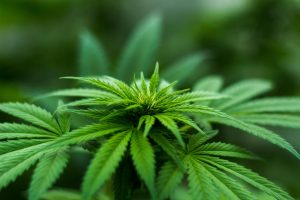
Cannabis is packed with hundreds of compounds called cannabinoids. Cannabinoids like THCA, THC, and CBD interact with the body in different ways. While THC is psychoactive and THCA is non-intoxicating, CBD is also non-psychoactive but contributes its own potential therapeutic benefits, offering another option for wellness.
In its natural form, raw cannabis contains high levels of THCA, a non-psychoactive cannabinoid. This means that simply consuming raw cannabis won’t produce the psychoactive effects typically associated with THC. On the other hand, THC is the psychoactive compound in cannabis, producing the classic effects people seek when using cannabis recreationally or for certain medicinal purposes.
Understanding the roles of THCA and THC is essential for anyone exploring cannabis, whether you’re interested in THCA products, raw cannabis, or THC-based products. By grasping these basic differences, you can make more informed decisions about which forms of cannabis best suit your needs.
THCA vs THC
What is THCA?
THCA, or tetrahydrocannabinolic acid, is a non-psychoactive precursor to THC, meaning it doesn’t produce a high on its own. It exists naturally in raw cannabis and THCA products, offering potential health benefits and therapeutic benefits without the intoxicating effects of THC. Unlike THC, THCA is a non-psychoactive cannabinoid, meaning it won’t get you high. In fact, THCA remains non-intoxicating until it is exposed to heat, which transforms it into THC through a process called decarboxylation.
You’ll often find THCA products in forms like capsules, tinctures, or raw THCA flower, offering health benefits and therapeutic benefits without the intoxicating effects associated with THC. The THCA molecule itself contains high levels of the compound in its natural state, making raw cannabis a rich source for those seeking benefits without the psychoactive effects.
Many people use THCA to potentially support wellness, thanks to its therapeutic benefits that don’t involve any psychoactive impact. Whether consumed as part of THCA products or in its natural plant form, THC and THCA together illustrate how different cannabinoids can affect the body in very different ways.
What is THC?
THC, or delta-9 tetrahydrocannabinol, is the well-known cannabinoid responsible for the psychoactive effects of THC. Unlike THCA, which is non-psychoactive, THC is psychoactive and produces the intoxicating effects that people often associate with cannabis use. When consumed, active THC interacts with the brain’s cannabinoid receptors, influencing mood, perception, and cognition.
THC content varies across cannabis strains and products, with total THC content determining the intensity of the effects. In THC products such as edibles, vapes, and tinctures, delta-9 THC is the primary compound responsible for their psychoactive impact. Even within cannabis flower, the THC percentage can differ widely, contributing to high THC or low THC experiences depending on the strain.
Beyond recreation, THC may help with certain medical conditions, including pain relief, nausea reduction, mood support, and appetite stimulation. While THC is widely used for both recreational and medicinal purposes, it’s important to note that THC is federally illegal in many areas, although regulations vary by region. Understanding the effects and content of THC is essential when comparing it with THCA, as both compounds contribute differently to the cannabis experience.
How THCA Converts to THC

One of the most important aspects of THCA vs THC is understanding how to convert THCA into THC. In its natural state, THCA is a non-psychoactive precursor found in raw cannabis, meaning it won’t get you high on its own. However, when THCA is heated through smoking, cooking, or using the vape, it undergoes decarboxylation, transforming into THC, the psychoactive compound in cannabis. During this transformation, the THCA molecule loses a carboxyl group, which allows it to become THC.
Comparing THCA vs THC
1. Psychoactive Effects
One of the most noticeable key differences between THCA and THC is their effect on the mind. THCA is non-psychoactive and won’t get you high, making it ideal for those seeking wellness without the intoxicating effects. On the other hand, when converted into THC, it produces psychoactive effects and is the main compound responsible for the intoxicating THC effects that many users seek. Understanding this distinction is crucial when evaluating THCA vs THC.
3. Therapeutic and Health Benefits
Both THCA and THC offer unique wellness opportunities. THCA and THC can help support health in different ways: THCA provides benefits without the high, offering potential therapeutic benefits and health benefits for those seeking relief without intoxication. THC, meanwhile, delivers therapeutic benefits as well, but its effects are accompanied by intoxicating effects, making it more suitable for those comfortable with the psychoactive component.
4. Usage and Consumption
The way you consume these cannabinoids also makes a difference. THCA is often consumed in raw cannabis or THCA products, such as capsules or tinctures, while THC is prevalent in products, including THC gummies, vapes, and cannabis flower. Understanding THCA content, total THC content, and high THC content helps users gauge intensity and choose the right product for their needs. Deciding between THCA and THC often comes down to whether you prefer benefits without the high or the full psychoactive effects.
5. Legal Status and Implications
The legal landscape surrounding cannabis is complex and constantly evolving. THC is federally illegal in the United States as a Schedule I substance, although many states allow medical or recreational use within specific limits. Globally, laws vary widely. Some countries permit medical use, and a few, like Canada and Uruguay, allow recreational use. In contrast, THCA is non-psychoactive and not explicitly listed as a controlled substance federally, but its legal status can still be unclear due to its similarity to THC and varying state regulations.
While THC’s legality affects the production, distribution, and possession of cannabis products, THCA can often be used in raw cannabis or specialized products without producing a high. However, selling or possessing THCA may still fall under certain laws like the Federal Analogue Act in the US. Understanding the distinctions between THCA and THC is essential for consumers to navigate the legal implications safely and responsibly.
Conclusion
Understanding THCA vs THC is essential for anyone exploring cannabis. The key difference lies in their psychoactive properties. THCA remains non-intoxicating, providing benefits without the high, while THC delivers the psychoactive effects and intoxicating effects many associate with cannabis.
Both compounds offer unique advantages. THCA and THC may support wellness differently. THCA through raw cannabis or THCA products for gentle, non-psychoactive benefits, and THC through THC products for recreational and therapeutic effects. Knowing the distinctions between THCA and THC helps users make informed choices, whether their goal is health, relaxation, or a combination of both.
Frequently Asked Questions
1. Will THCA get you high?
No. THCA won’t get you high because it is non-psychoactive. It only becomes THC when exposed to heat. This makes THCA products ideal for those seeking wellness benefits without the high.
2. Can THCA provide therapeutic benefits?
Yes. Even without causing a high, THCA is often consumed for its potential therapeutic benefits. It is believed to offer health benefits such as anti-inflammatory effects and wellness support.
3. How does THC affect the body?
THC is the psychoactive compound in cannabis that interacts with the brain’s receptors, producing psychoactive effects like euphoria, altered perception, and relaxation. The effects of THC depend on dosage, method of consumption, and THC content.
4. How do I choose between THCA and THC?
Choosing depends on your goals. If you want benefits without getting high, THCA products or raw cannabis are the way to go. If you’re seeking the psychoactive THC or recreational enjoyment, THC in vapes, edibles, or THC products may be preferred.