
Uncategorized
Live Resin vs Rosin: What’s the Difference

Oct
California’s legal cannabis market offers more cannabis concentrate formats than most shoppers can reasonably track. Two names sit at the top of nearly every dispensary menu: live resin vs rosin. Both are prized for capturing the character of the cannabis plant rather than flattening it into a generic high, and both command premium prices. The similarity largely ends there. Live resin is a cannabis concentrate that relies on a chemical solvent to pull cannabinoids and terpenes from fresh frozen cannabis flower, while rosin is made with nothing but heat and pressure and carefully prepared starting material. Cali Canna stocks live resin as part of its concentrates lineup and carries live rosin in disposable form, but when it comes to live rosin vs live resin, which one is actually better?
The honest answer is that neither wins outright. Each carries trade-offs in flavor, potency, texture, price, and production difficulty. This guide breaks down the difference between live resin and live rosin, how each concentrate is made, what separates them on the shelf, and which situations favor one over the other.
What Is Live Resin?
Live resin is a cannabis concentrate produced from plant material that is frozen immediately after harvest instead of being dried and cured. The freeze happens fast, often within thirty minutes of the chop, at temperatures cold enough to halt enzymatic activity. That step matters more than any other part of the extraction process. Terpenes, the aromatic compounds responsible for the smell and much of the flavor of cannabis, are volatile. They evaporate at room temperature and degrade during a traditional two-week cure. Freezing the plant preserves them in something close to their living state, which is where the word live comes from. A cannabis concentrate made this way is made from fresh frozen cannabis rather than cured flower, and that is the whole trick.
How Live Resin Is Made
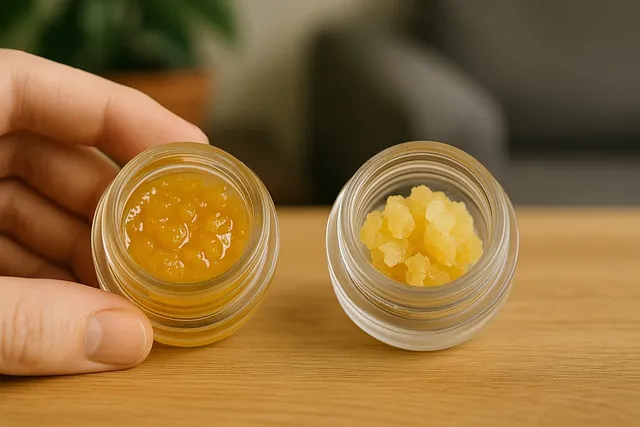
Most live resin on the California market is made with hydrocarbon solvents, typically butane, propane, or a blend of the two. This is the live resin extraction process, and it is what people mean when they ask how to make live resin. The frozen plant material is packed into a closed-loop extraction system, and the solvent is pushed through it under pressure. The solvent strips cannabinoids, terpenes, and flavonoids from the plant and carries them into a collection vessel. From there, the extractor purges the solvent under vacuum and controlled heat until residual levels fall within state limits. In short, live resin is made using a solvent, then cleaned up until almost none is left. California requires every batch to be lab-tested for residual solvents before sale, and licensed producers must stay under thresholds set by the Department of Cannabis Control.
The method is efficient. Hydrocarbon extraction pulls high yields from the starting material, and the resin extraction process can be tuned to favor different compounds. That efficiency is the main reason live resin costs less than rosin at comparable quality levels. It is also why lab-tested live resin from a licensed producer tends to be the safer bet for anyone worried about what is left behind.
Live Resin Flavor, Aroma, and Texture
Live resin tends to hit hard on the nose. A good batch smells like the cannabis plant did in the field, with bright citrus, pine, gas, or fruit notes that survive extraction. Total terpene content often lands between five and twelve percent, which is high for a concentrate. Texture varies widely by producer, and live resin can be made as sauce with crystalline THCA, budder, badder, sugar, or jelly. A strong run sometimes throws off THCA diamonds too. Some of that variation comes from the strain, and some from how the extractor finishes the product. Live resin tends to be more forgiving for newcomers, since the texture stays stable at room temperature.
What Is Rosin?
Cannabis rosin is a solventless concentrate. No butane, no propane, no ethanol, no CO2. The entire process relies on heat and pressure, which is why the category has built a following among consumers who prefer to avoid solvent extracted products. Put simply, rosin is solventless and often priced accordingly. The trade-off is labor. Compared to live resin, producing rosin takes more time, more starting material, and more hands, and the final price reflects it.
How Rosin Is Made
There are two broad paths, and both are mechanical rather than chemical. Flower rosin is pressed directly from dried and cured buds. The material goes into a filter bag and is squeezed between heated plates, usually somewhere between 180°F and 220°F, at pressures around 500 to 1,500 psi for one to three minutes. The oil that sweats out is collected and often whipped or cold-cured.
Hash rosin starts with ice water hash, or live bubble hash when the plant is fresh. Fresh or dried plant material is agitated in ice water, and the trichome heads break off and get caught in a series of fine mesh bags. The resulting hash is dried, then pressed the same way, often using a rosin press. Because the starting material is already concentrated resin heads, hash rosin is cleaner and usually more potent than flower rosin. If you want hash made from live fresh frozen material, that is exactly the route.
Live rosin is a specific subcategory, and the live rosin process is where things get interesting. Live rosin is a solventless extract that follows the ice water hash route but uses fresh frozen plant material rather than dried flower. That combines the flavor retention of the live process with the purity of rosin. Live rosin is made using the same heat and pressure as any other rosin, and since live rosin is made without butane, propane, or anything else that needs to be purged, there are no solvents in live rosin at all. Live rosin is made from fresh frozen cannabis, full stop, and that is the difference.
Rosin Flavor, Aroma, and Texture
Rosin’s flavor profile reads differently from live resin. Where live resin tends to be sharp and loud, rosin is often rounder and more layered. Some consumers describe it as closer to the full plant, with less of the bright top note that hydrocarbon extraction pulls forward. Terpene levels can be just as high, and in premium hash rosin they are sometimes higher. Live rosin offers that same depth, just starting from a higher grade of hash.
Texture is the part that surprises newcomers. Fresh rosin can be sticky and oily, almost like tree sap. After a few days it often firms into a wax or a soft crumble. Some batches turn grainy as THCA crystals form, and others stay greasy and difficult to handle. Once live rosin starts to warm up, it moves fast, so keep it cool. Storing rosin in a sealed glass jar keeps it more workable for longer. Live rosin is typically the same way, just a little stickier when it is fresh.
The Main Difference Between Live Resin and Live Rosin
Here is the part most people actually came for. The main difference between live resin and live rosin comes down to solvent vs solventless. Live resin uses a chemical solvent in a closed-loop system, followed by a vacuum purge and mandatory lab testing for residuals. Rosin uses mechanical force and heat only. That single difference drives most of the other distinctions, and it explains why the two live concentrates land in different price brackets. It is also the reason the resin vs rosin debate usually gets settled by personal values rather than proof that one is stronger. What’s the difference in practice? Mostly the price and the punch.
Live Resin vs Rosin: Head-to-Head Comparison
Extraction Method
Live resin is extracted with a chemical solvent in a closed-loop system. Rosin is extracted with heat and pressure alone. The extraction method drives everything else, from cost to texture.
Terpene Profile and Flavor
Live resin usually wins on intensity. Hydrocarbon solvents are highly selective for terpenes, and the resulting extract often carries a louder, more immediate aroma. Rosin trades some of that punch for depth. Well-made live rosin can match live resin on terpenes while avoiding any solvent contact, but it costs significantly more to produce. If flavor is the whole point, some people choose live resin for the punch and others choose live rosin for the nuance.
Potency
The gap is narrower than most people assume. Live resin typically tests between 60 and 85 percent THC, with some high-terpene batches landing lower. Hash rosin generally falls in the 60 to 80 percent range, and flower rosin sits lower, often between 50 and 70 percent. In practice, the difference matters less than the terpene and cannabinoid load, which shapes how the high feels. Live resin is generally only a few points ahead, and the terpene content moves the experience more than the THC number does.
Texture and Handling
Live resin is generally easier to work with. Sauces, budders, and sugars stay stable at room temperature and scoop cleanly with a tool. Rosin is fussier. It softens quickly on warm fingers, sticks to parchment, and can change consistency within a week. Consumers who dab on a glass rig tend to adapt either way, but those using portable vapes or a cartridge based vape pen may find live resin more forgiving. That ease of handling is one more reason some shoppers simply choose live resin for daily use.
Price
Rosin costs more, usually by a wide margin. Hash rosin and live rosin often sell for two to three times the price of comparable live resin. The reason is straightforward: rosin production yields less per gram of starting material, takes longer, and requires skilled hands. Live resin offers more finished product per pound of flower, which keeps prices down. This is why live rosin is typically more expensive than live resin, and why the gap is even wider for high-quality live rosin and other premium live rosin products.
Effects
Both concentrates deliver the strong, fast-onset effect expected from a dab. The character of that effect depends far more on the strain and its terpene profile than on which extraction method was used. A gas-forward live resin and a gas-forward live rosin will feel more similar to each other than either will to a fruity strain from the same category.
How to Choose Live Resin or Live Rosin

The choice usually comes down to priorities. A consumer who wants the loudest possible flavor at a reasonable price will generally be happier with live resin. Someone who prefers to avoid solvent-extracted products and is willing to pay for it will lean toward rosin, especially live rosin and live rosin products. A first-time buyer might start with a mid-range live resin to learn the format, then move to live rosin for comparison. Live rosin and live resin are two answers to the same question, and both are high-quality options when they come from a good producer.
There is also a practical angle, and it comes down to how you consume live resin or live rosin. Anyone dabbing through a rig with precise temperature control can enjoy either. Anyone using a handheld vaporizer with a coil or ceramic chamber may find live resin easier to load and clean. The same holds for live resin carts, since a cartridge handles the temperature for you and removes most of the guesswork. If you smoke live rosin, keep the heat low, because rosin scorches faster than resin and the flavor disappears with it. Either way, the only real rule is to match the format to your setup.
What to Check on a California Label
California requires lab testing and compliant labeling on all cannabis concentrates. A few details are worth checking before a purchase. The THC percentage is the headline number, but total terpenes matter just as much for flavor. The label should list the license number of the cultivator and manufacturer, the batch date, and the harvest date if available. For live resin, a residual solvent test result confirms the purge was done properly. For resin and rosin products alike, the label should tell you what you are getting. For rosin, it may indicate whether the product is flower rosin, hash rosin, or live rosin, though not every brand is consistent about the distinction.
Storing Live Resin and Rosin
Both concentrates degrade with heat, light, and air. A sealed glass jar kept in a cool, dark place will hold quality for weeks or months. Refrigeration extends that further, but the jar should come to room temperature before opening to prevent condensation from forming on the product. Silicone containers are common but not ideal for long-term storage, since terpenes can migrate into the silicone over time. Stored right, both live resin and rosin products will taste close to how they did the day they were made.
Where to Find Live Resin and Rosin in California
Cali Canna carries live resin, rosin, and a range of other cannabis products from licensed California producers, along with flower, vape cartridges, edibles, and pre-rolls. The catalog is organized by category and strain, which makes it simpler to compare options side by side. Shoppers looking for a specific terpene profile or a particular brand can filter through the selection and check lab data before ordering.
Conclusion
Live resin and rosin are not competing versions of the same product. They are two answers to the same question: how does a producer capture the character of a cannabis plant in concentrated form? Live resin answers with chemistry, using solvents to pull a high yield of flavorful compounds from fresh-frozen flower. Rosin answers with mechanics, using heat and pressure to squeeze oil from prepared hash or flower without any solvent at all. Live resin usually costs less and delivers a sharper, louder aroma. Rosin usually costs more and offers a rounder, deeper flavor with no solvent exposure. Live rosin is usually the pricier of the two, and neither is objectively better. The noticeable differences between live resin and live rosin come down to solvent, texture, and price. The right pick depends on what a consumer values most, and in most cases the only way to know is to try both.
Frequently Asked Questions
What’s the difference between live resin and rosin?
Live resin is made using a solvent like butane, while rosin is made using only heat and pressure. That is the main difference between live resin and live rosin, and it shapes the flavor, price, and texture of each. Live resin tends to smell louder, and live rosin tends to taste rounder, though live resin can be made in many textures and live rosin doesn’t use any chemicals at all.
Is live resin stronger than rosin?
Not necessarily. Live resin often tests slightly higher in THC, but the difference is usually small and varies by batch. Hash rosin and live rosin routinely land in the same potency range as live resin, and terpene content often has a bigger effect on how strong the experience feels.
Is rosin better than live resin?
Rosin is not better in an absolute sense, but it appeals to consumers who want a solventless product. It also tends to carry a more rounded flavor and a premium price. Live resin offers comparable potency and a sharper aroma at a lower cost.
Can rosin be made at home?
Yes. A hair straightener and parchment paper can press small amounts of flower rosin, though yields are low and results are inconsistent. Proper rosin presses and ice water hash setups produce better material but cost considerably more.
Does live resin contain butane?
Well-purged live resin contains only trace amounts, if any. California requires every batch to pass residual solvent testing before sale, and compliant products list those results. Any product that smells strongly of solvent should be avoided.
Which is better for dabbing, live resin or rosin?
Both work well in a dab rig. Rosin generally tastes best at lower temperatures, around 450°F to 500°F, while live resin can handle a slightly wider range. Consumers using portable vaporizers often find live resin easier to load because of its more stable texture.


