
Uncategorized
What Is Cannabis Rosin? Complete Guide

Aug
If you’ve browsed the menu at any cannabis dispensaries like Cali Canna recently, you’ve probably noticed cannabis rosin showing up more and more. This solventless cannabis concentrate has earned a loyal following among cannabis enthusiasts, and it’s easy to see why. Rosin delivers a clean, potent, and flavorful experience without any chemical solvents touching the product.
But what exactly is rosin? How is rosin made, and how does it stack up against other concentrates like live resin or shatter? Whether you’re new to the dab scene or just curious about solventless extraction, this guide to rosin covers everything you need to know.
What Is Cannabis Rosin?
Cannabis rosin is a cannabis concentrate made using only heat and pressure. That’s the whole recipe. No butane, no propane, no CO2, and no chemical solvent of any kind. A rosin press squeezes the resinous sap out of cannabis plant material, leaving you with a sticky, golden extract loaded with THC, other cannabinoids, and terpenes.
Because rosin is a solventless concentrate, it has become a favorite among health-conscious consumers. With solvent-based extracts, trace amounts of butane or other chemicals can remain in the final product if the extraction process isn’t done perfectly. With rosin, that worry disappears completely.
Rosin is considered one of the purest ways to enjoy cannabis. You’re essentially consuming a direct expression of the cannabis plants themselves, with their natural terpenes and cannabinoids preserved.
What Does Rosin Look Like?
Rosin is a sticky, sap-like substance, but its final appearance depends on the starting material and how it was pressed. You’ll find rosin in a few common forms:
- Sappy or shatter-like: Translucent and amber, often from pressing cannabis flower at lower temperatures.
- Badder or budder: Whipped after pressing into a creamy, butter-like texture.
- Jam or sauce: A wetter consistency with visible terpene separation.
No matter the texture, quality rosin tends to have a light golden or off-white color. Darker rosin usually means older starting material or too much heat during pressing.
How Rosin Is Made

The process of making rosin is surprisingly simple compared to other extraction methods. It comes down to applying heat and pressure to cannabis material until the resin melts and flows out.
The Basic Extraction Process
Here’s how rosin is made, step by step:
- Choose your starting material. This can be cannabis flower, hash, or kief. The quality of the rosin depends heavily on the quality of what goes in.
- Prepare the material. Flower is often lightly broken down, while hash or kief gets placed inside a rosin bag (a fine mesh filter that keeps plant particles out of the final extract).
- Sandwich it in parchment paper. The material goes between two sheets of parchment paper to catch the oil.
- Press it. A rosin press uses two heated plates to apply controlled heat and pressure. The trichome heads melt, and the resin flows out onto the parchment.
- Collect the rosin. Once cooled, the sticky extract is scraped off the paper and stored.
Commercial producers use industrial rosin presses with precise temperature and pressure controls. Lower temperatures (around 160–190°F) preserve more terpene content and flavor, while higher temperatures (190–220°F) increase yield but can sacrifice some taste.
Making Rosin at Home
One reason rosin took off in the cannabis community is that you can make rosin at home with minimal equipment. Many people started pressing rosin with nothing more than a hair straightener, parchment paper, and some ground cannabis flower.
The hair straightener method works like this: place your cannabis flower in parchment paper, clamp it between the heated plates of the straightener, and press firmly for a few seconds. You’ll see golden oil seep out. It’s not the most efficient extraction method, and results vary, but it’s a fun way to experiment.
If you get serious about rosin at home, a dedicated rosin press gives you far better control over temperature and pressure, which means better potency, flavor, and yield.
Types of Rosin
Not all rosin is the same. The types of rosin you’ll find at a dispensary depend on the starting material used to create rosin.
Flower Rosin
Flower rosin is made from dried cannabis flower, typically cured buds. It’s the most accessible type since flower is easy to find. Flower rosin delivers solid potency and strain-specific flavor, though it usually has slightly lower terpene content than rosin made from hash.
Hash Rosin
Hash rosin starts with bubble hash, which is made by washing cannabis plant material in ice water to separate the trichome heads. That bubble hash is then dried and pressed. Because you’re pressing concentrated trichomes instead of whole flower, hash rosin is often more potent and flavorful. Many connoisseurs consider it the top tier of solventless concentrates.
Live Rosin
Live rosin is where things get premium. Instead of dried flower, live rosin is extracted from cannabis plants that were flash-frozen right after harvest. Those frozen cannabis plants are washed into bubble hash first, then pressed into rosin.
Freezing the plant preserves the full terpene profile that would otherwise degrade during drying and curing. The result is a solventless extract with incredibly fresh, true-to-the-plant flavor. When you use live rosin, you’re tasting the cannabis strain as close to its living state as possible.
Rosin vs. Resin and Other Concentrates
People often confuse resin and rosin, and the names don’t help. Here’s the difference: resin typically refers to solvent-based extracts like live resin, while rosin is a solventless cannabis concentrate made with heat and pressure alone.
Live Resin and Live Rosin
Both live resin and live rosin start with frozen cannabis plants, which is why they share the “live” label. The difference is in the extraction:
- Live resin uses a solvent like butane in a closed-loop extraction system. The solvent strips cannabinoids and terpenes from the plant, then gets purged out.
- Live rosin uses ice water and a rosin press. No solvents ever touch the product.
Live resin tends to be cheaper and more widely available. Live rosin costs more because the process is labor-intensive, but you’re paying for purity and a richer cannabinoid and terpene profile.
Rosin vs. Other Concentrates
Compared to other hash oil products like shatter, wax, or distillate, rosin stands out for a few reasons:
- No residual solvents. Solventless extraction means zero risk of leftover butane.
- Full-spectrum effects. Rosin keeps the plant’s natural balance of terpenes and cannabinoids, which many users feel produces a more well-rounded high.
- Clean flavor. Because nothing is stripped away or added back, rosin tastes like the strain it came from.
The trade-off? Rosin is usually pricier than solvent-based options, and potency can run slightly lower than distillate, which can exceed 90% THC.
How to Consume Rosin
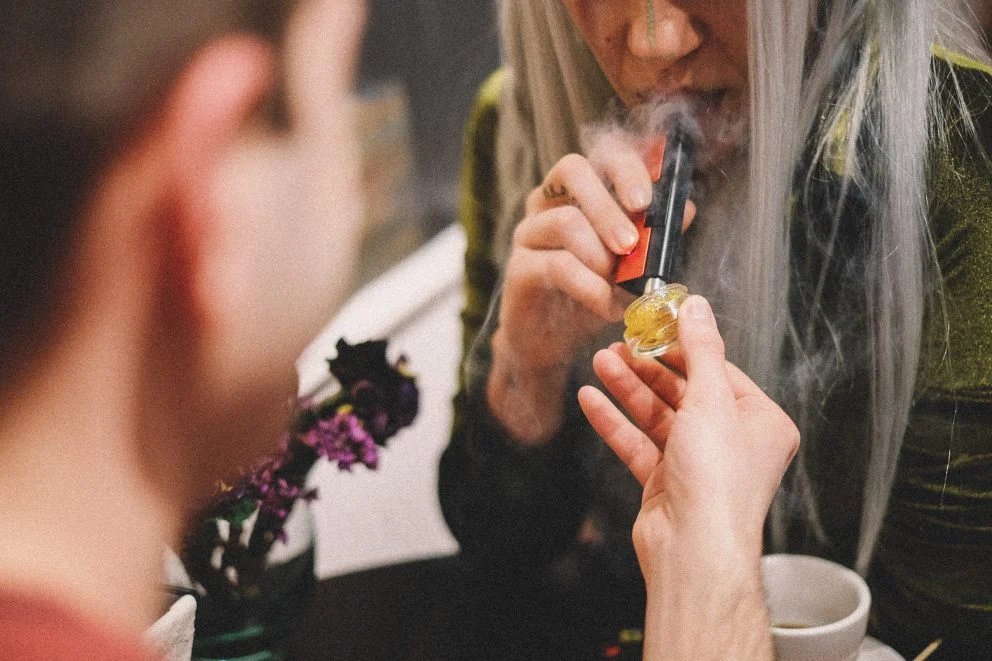
Rosin is a versatile concentrate, and there are several ways to use rosin depending on your setup and preferences.
Dabbing
The most popular way to use rosin is dabbing. You’ll need a dab rig, a banger or nail, a torch (or an e-rig for convenience), and a dab tool. Heat the banger, let it cool to your target temperature, then drop in a small amount of rosin.
For the best flavor and a good sizzle without burning, aim for lower temps around 450–550°F. When you smoke live rosin at low temperatures, you get smooth vapor and the full terpene experience. Too hot, and you’ll scorch the terpenes and get a harsh hit.
Vaping
Many concentrate vaporizers and dab pens handle rosin well. Load a small amount into the chamber, set a low-to-medium temperature, and enjoy. It’s a portable, discreet way to smoke rosin without a full dab rig setup.
Adding to Flower
You can also add a dab of rosin to a bowl or mix it into a joint. This boosts the potency of your cannabis flower and adds extra flavor. Just keep in mind that rosin is sticky, so use a tool rather than your fingers.
How to Choose Quality Rosin at the Dispensary
When you’re shopping for rosin, a few things signal quality:
- Color: Look for light golden, amber, or creamy white. Dark brown or greenish rosin suggests old material or contaminants.
- Aroma: Quality rosin should smell strong and true to the cannabis strain. A weak or hay-like smell is a red flag.
- Texture: It should be stable at room temperature, not runny or overly dry and crumbly.
- Source material: Ask whether it’s flower rosin, hash rosin, or live rosin. Hash rosin and live rosin generally offer higher quality.
- Lab results: Check THC percentage and terpene content if available. Good rosin typically ranges from 60–80% THC.
At Cali Canna, you can browse lab-tested rosin options and compare strains, textures, and potency levels to find what fits your preferences.
Storing Your Rosin
Rosin is sensitive to heat, light, and air. To keep it fresh:
- Store it in an airtight glass or silicone container.
- Keep it in the fridge for long-term storage, especially live rosin.
- Let it come to room temperature before opening to avoid condensation.
- Use it within a few months for the best flavor and potency.
Conclusion
Cannabis rosin has earned its place as one of the most respected concentrates in the cannabis community. The extraction process is simple, the product is clean, and the flavor is hard to beat. Whether you prefer flower rosin, hash rosin, or premium live rosin, you’re getting a solventless extract that stays true to the plant.
Rosin is a versatile option too. Dab it in a rig, vape it on the go, or add it to your favorite flower. And if you’re feeling adventurous, you can even try pressing rosin at home with a hair straightener or a small rosin press.
Ready to try it yourself? Check out the rosin selection at Cali Canna and see why so many cannabis enthusiasts are making the switch to solventless.
Frequently Asked Questions
What is the difference between rosin and resin?
Rosin is a solventless cannabis concentrate made with heat and pressure, while resin (like live resin) is made using solvents such as butane in a closed-loop extraction system. Both can be potent and flavorful, but rosin contains zero residual solvents.
Is rosin stronger than regular cannabis flower?
Yes. Cannabis flower typically contains 15–25% THC, while rosin usually falls between 60–80% THC. Because it’s a concentrated extract, you need much less rosin to feel the same effects.
Can you make rosin at home safely?
Yes. Making rosin at home is one of the safest extraction methods because it doesn’t involve flammable solvents. Many people start with a hair straightener and parchment paper, though a dedicated rosin press gives you better control and higher-quality results.
Is live rosin worth the higher price?
For many consumers, yes. Live rosin is made from frozen cannabis plants, which preserves more terpenes and delivers fresher flavor. It’s also labor-intensive to produce, which drives up the cost. If flavor and purity matter to you, live rosin is worth trying at least once.
How should beginners consume rosin?
Start small. Rosin is potent, so begin with a dab about the size of a grain of rice. A dab pen or vaporizer is an easy entry point, while a dab rig at low temperatures offers the best flavor. Take it slow and see how you feel before going back for more.


